The Ultimate Halal Crypto List for Muslim Investors
Author: Zaid Alissa, CTO & Halal Finance Researcher | Published: March 2026 | Updated: March 2026
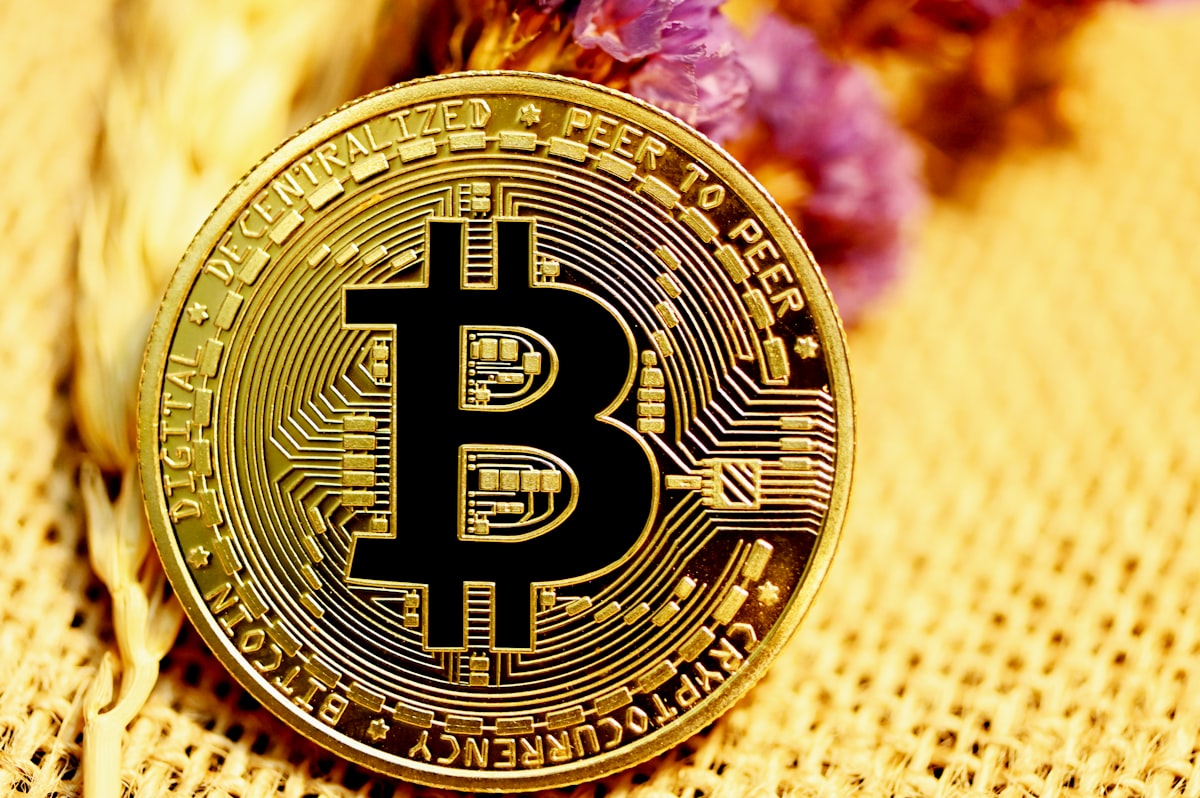
Finding a trusted list of halal crypto coins can be difficult due to conflicting scholar fatwas. In this guide, we break down what makes a halal cryptocurrency permissible and provide a comprehensive resource for the Muslim community.
The question Muslims ask more than any other in Islamic finance right now is: is cryptocurrency halal? After 6 years of researching halal investment options across fintech and Islamic finance institutions, I can tell you the honest answer is: it depends entirely on the coin, how it's used, and which scholarly position you follow.
When compiling a halal coin list, we look closely at the utility of the token and its adherence to Shariah principles. This is an updated list of cryptocurrencies widely treated as permissible by scholars who accept cryptocurrency in principle, along with the ones that are broadly considered haram, and the ones where scholars are still divided.
How to Identify a Halal Coin
Before the list, you need to understand the three shariah criteria that scholars apply to crypto:
1. No riba (interest). Any coin that generates yield through interest-like mechanisms, such as lending protocols, algorithmic stablecoins that pay interest, or wrapped staking with interest components, is considered haram by most scholars.
Allah says in Surah Al-Baqarah, verse 275:
وَأَحَلَّ اللَّهُ الْبَيْعَ وَحَرَّمَ الرِّبَا
"...But Allah has permitted trade and has forbidden interest." (Saheeh International)
2. No maysir (speculation/gambling). This is the most debated criterion. Pure price speculation, buying a coin with no utility solely to sell at a profit, is considered maysir by some scholars.
Allah says in Surah Al-Maidah, verse 90:
يَا أَيُّهَا الَّذِينَ آمَنُوا إِنَّمَا الْخَمْرُ وَالْمَيْسِرُ وَالْأَنصَابُ وَالْأَزْلَامُ رِجْسٌ مِّنْ عَمَلِ الشَّيْطَانِ فَاجْتَنِبُوهُ لَعَلَّكُمْ تُفْلِحُونَ
"O you who have believed, indeed, intoxicants, gambling, [sacrificing on] stone alters [to other than Allah], and divining arrows are but defilement from the work of Satan, so avoid it that you may be successful." (Saheeh International)
Others argue that all asset trading involves some speculative element and that crypto is no different from forex or commodities, both of which have halal trading structures.
3. Must have underlying real utility or value. A cryptocurrency with no real-world use case, backing, or utility is considered closer to gambling than to legitimate trade. This is why meme coins are almost universally considered haram.
4. No financing of haram activities. Coins whose primary use cases include money laundering, financing prohibited industries, or operating outside legal frameworks raise serious shariah concerns.
Top Shariah-Compliant Crypto Coins to Watch
Generally Considered Halal by Islamic Scholars
Bitcoin (BTC)
The most widely accepted cryptocurrency from a shariah perspective. Bitcoin has been reviewed case by case by Islamic finance advisory firms such as Amanie Advisors, and by individual scholars. A widely held contemporary view, argued for example in Mufti Muhammad Abu-Bakar's Shariah Analysis of Bitcoin, Cryptocurrency and Blockchain (Blossom Finance, 2017), is that spot Bitcoin is permissible as a medium of exchange, provided it is not used for prohibited transactions. Other scholars, including those following Mufti Taqi Usmani's cautious position on speculative digital assets, do not accept this. AAOIFI has issued no standard on cryptocurrency, so there is no consensus to report. It has no interest mechanism, has clear utility as a payment and store-of-value asset, and is not inherently tied to haram industries.
Ethereum (ETH)
More complex than Bitcoin due to its staking mechanism (Ethereum transitioned to Proof of Stake in 2022). Scholars are divided on staking rewards. Some consider them similar to profit-sharing (mudarabah), which is permissible, while others consider them closer to interest. If you hold ETH without staking, the majority of scholars consider it halal. Staking is a grey area; consult a qualified Islamic finance scholar for your specific situation.
Chainlink (LINK)
Chainlink provides oracle services that supply real-world data to blockchain smart contracts. It has clear utility, is not tied to interest mechanisms, and is not used primarily for speculation. Generally considered permissible by scholars who have reviewed it.
Stellar (XLM)
Stellar is a payment network designed for cross-border transactions, with a focus on financial inclusion in developing countries. Its utility is clear and well-documented. Generally considered halal by scholars familiar with its use case.
Cardano (ADA)
A proof-of-stake blockchain focused on smart contracts and decentralised applications. Its staking model, like Ethereum, is debated, but the underlying asset without staking is generally considered permissible. Strong real-world utility in the African financial infrastructure space.
Algorand (ALGO)
Used by a number of Islamic finance initiatives and has been explored as infrastructure for Islamic financial products. Clear utility, no interest mechanism in the base asset.
IslamicCoin (ISLM)
Designed to be shariah-compliant from inception, with a fatwa issued by the project's own appointed Shariah board. Note that a certification commissioned by the issuer is not the same as independent scholarly review; treat the compliance claim as the project's own and apply the same utility and speculation tests as for any other coin. Built on the Haqq blockchain with an explicit mission to serve the Muslim community. One of the few coins created specifically for the halal finance market.
CAIZ Coin
Another crypto project built explicitly around Islamic finance principles, with a shariah certification obtained by the project itself. Focused on the MENA market and halal financial transactions. As with ISLM, a certification commissioned by the issuer is not the same as independent scholarly review; treat the compliance claim as the project's own and apply the same utility and speculation tests as for any other coin.
Halal With Conditions
Ethereum (ETH) with staking is permissible if staking rewards are structured as profit-sharing, not interest. Seek a qualified fatwa for your specific situation.
XRP (Ripple) is used for cross-border payments, has real utility, but its legal status (ongoing SEC litigation) and the centralised control Ripple Labs maintains over supply make some scholars cautious. Permissible for many, but review is ongoing.
Polygon (MATIC/POL) is an Ethereum scaling solution with clear utility. Generally permissible, same staking caveat as ETH applies.
Cryptocurrencies Generally Considered Haram
All meme coins (DOGE, SHIB, PEPE, etc.)
No real utility, created primarily for speculation. Most scholars consider these to fall under maysir (gambling). Avoid.
Any DeFi yield tokens that pay interest
If a coin's primary value proposition is earning interest through lending protocols (e.g. Compound, Aave governance tokens used for interest-generating strategies), this falls under riba. The underlying blockchains are not the issue; the specific interest-generating use is.
Privacy coins (Monero/XMR)
The primary use case of coins designed to obscure transaction trails is incompatible with the Islamic requirement for transparency in financial transactions. Because its core design purpose is to obscure transaction trails, scholars who apply the principle that a tool whose predominant use is unlawful takes the ruling of that use tend towards impermissibility. Published rulings on XMR specifically are few; treat this as the cautious default rather than a documented majority position.
Highly leveraged derivatives and perpetual futures on crypto
Buying spot crypto is one thing. Trading leveraged perpetual futures with no underlying delivery is effectively gambling and is haram by the vast majority of scholarly opinion.
Crypto Exchanges with Islamic (Swap-Free) Accounts
If you want to trade or hold crypto in a shariah-compliant way, several exchanges now offer Islamic accounts that remove overnight swap fees and interest charges:
- Binance offers swap-free accounts for Muslim traders in select regions
- Bybit offers a halal account developed in consultation with CryptoHalal, a Shariah advisory and auditing firm.
- eToro has an Islamic account option that removes overnight funding charges
- ADSS has an Islamic account available across crypto and other asset classes
- Tickmill has a swap-free Islamic account
- XM has an Islamic account option
For a full detailed comparison of crypto exchanges with Islamic accounts, see our dedicated guide: Crypto Exchanges with Islamic Accounts, Full List 2026.
Scholar Positions Worth Knowing
Some contemporary scholars hold that most cryptocurrencies are impermissible due to their speculative nature and lack of oversight, making exceptions only where a coin has demonstrable real-world utility.
The Accounting and Auditing Organisation for Islamic Financial Institutions (AAOIFI) has been working on a comprehensive cryptocurrency shariah standard since 2021. As of 2026, a final ruling has not been issued, which means most scholars are applying existing principles of Islamic finance to evaluate individual coins.
Amanie Advisors, a leading Islamic finance advisory firm, reviews digital assets on a case-by-case basis. Its most detailed published work is the Shariah White Paper on Ether (2019), prepared with the Ethereum Foundation and endorsed by the Amanie Shariah Supervisory Board; the firm has not published a comparable general position on Bitcoin.
Where Scholars Differ
The permissibility of cryptocurrency as such remains disputed, and both positions deserve to be seen side by side.
The permissive position. Sheikh Joe Bradford's writing on digital assets at joebradford.net, and Mufti Faraz Adam's research on crypto assets at Amanah Advisors, treat spot ownership of coins with genuine utility as capable of being permissible, applying the riba, gharar, and maysir tests coin by coin.
The restrictive position. Mufti Taqi Usmani has stated caution towards cryptocurrencies on the ground that they are used predominantly for speculation, a position followed by a significant body of scholarship that does not accept cryptocurrency as permissible at all.
Neither position has prevailed. The rulings in this article reflect the permissive framework; if you follow a scholar who holds the restrictive view, the coins below are not open to you regardless of their individual features.
Practical Guidance for Muslim Crypto Investors
-
Stick to coins with clear real utility: Bitcoin, Ethereum (without staking), Chainlink, Stellar, Cardano are the safest starting points. You can check the shariah verdict on any of the top 100 coins instantly using the HalalFinanx live crypto screener, which applies a five-factor framework to each coin with live prices from CoinGecko.
-
Avoid anything primarily speculative: if the coin's value is based solely on hype and has no underlying technology or use case, treat it as gambling and avoid it.
-
Use a halal-screened exchange account: remove interest and swap fees by using an Islamic account option where available.
-
Purify doubtful gains: if you're unsure whether gains from a particular coin are fully halal, purify them by donating the doubtful portion to charity. This is a well-established Islamic finance principle.
-
Consult a qualified Islamic finance scholar: for specific situations, particularly around staking, DeFi, and yield-generating strategies.
Summary Table
| Cryptocurrency | Predominant view among permissive scholars | Notes |
|---|---|---|
| Bitcoin (BTC) | Halal | Medium of exchange, store of value |
| Ethereum (ETH) | Halal (without staking) | Staking is debated |
| Chainlink (LINK) | Halal | Oracle utility clear |
| Stellar (XLM) | Halal | Payment network utility |
| Cardano (ADA) | Halal (without staking) | Smart contract utility |
| IslamicCoin (ISLM) | Certified by project's own board | Shariah-certified from inception |
| CAIZ Coin | Certified by project's own board | Shariah-certified |
| Meme coins | Haram | No utility, pure speculation |
| Interest-bearing DeFi tokens | Haram | Riba |
| Monero (XMR) | Haram | Obscures transactions |
| Crypto leverage/futures | Haram | Gambling |
For a live, filterable view of shariah verdicts on the top 100 cryptocurrencies by market cap, with five-factor scoring, staking notes, and real-time prices, use the HalalFinanx Halal Crypto Screener. It is free, requires no login, and is updated live.
Frequently Asked Questions
Is cryptocurrency halal in Islam?
The answer depends on the specific coin, the way it is held, and the scholarly view being followed. The majority contemporary view treats spot ownership of major utility coins such as Bitcoin and Ethereum (without staking) as permissible. Meme coins, privacy coins, and interest-bearing DeFi tokens are widely considered impermissible.
Is Bitcoin halal?
The clear majority of qualified contemporary scholars consider spot ownership of Bitcoin to be permissible. It is a recognised store of value with no interest mechanism in the base asset. See the dedicated analysis Is Bitcoin Halal?.
Is Ethereum staking halal?
Staking is currently unresolved. Direct staking with genuine slashing risk has a stronger permissibility case than fixed-yield staking-as-a-service products. The detailed analysis is in Is Ethereum Halal?.
Are stablecoins like USDC halal?
The dominant scholarly view is that holding USDC as a transactional balance is permissible because the holder does not receive interest. Lending USDC into yield protocols, however, generates riba. See Is USDC Halal?.
What about meme coins like Doge or Shiba Inu?
Meme coins have no real utility and are driven by speculation, which most scholars classify as maysir. They are generally considered haram.
Are crypto derivatives halal?
Most scholars consider leveraged perpetual futures and CFDs on crypto impermissible because they combine riba (funding fees) and gharar with no real ownership of the underlying asset.
Sources
- Quran, Surah Al-Baqarah, verse 275
- Quran, Surah Al-Maidah, verse 90
- Mufti Muhammad Abu-Bakar, Shariah Analysis of Bitcoin, Cryptocurrency and Blockchain (2017)
- AAOIFI Shari'ah Standards (digital assets)
- Amanie Advisors, Islamic finance research
- Shariyah Review Bureau
- Sheikh Joe Bradford, Islamic finance writing
- Securities Commission Malaysia, Digital Assets Guidelines